
US Fishing·News desk
NOAA survey data: shark depredation in the Gulf has tripled since 2005
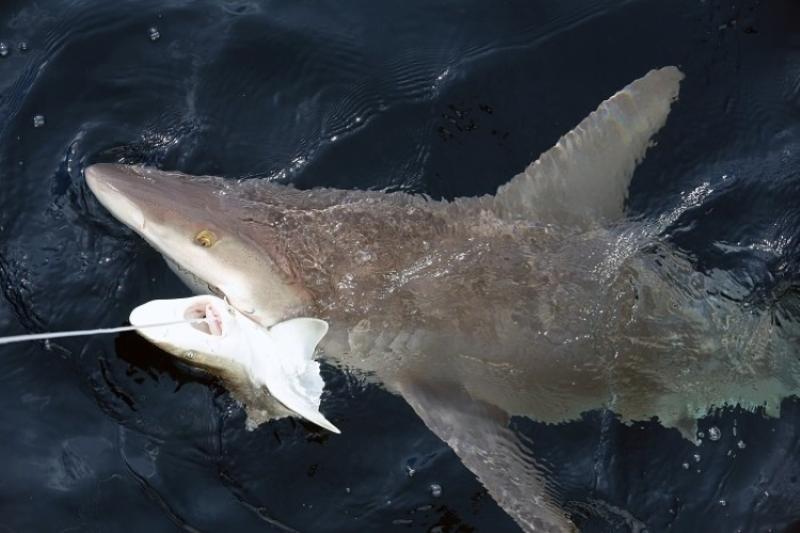
Anglers who say sharks are taking more of their fish in the Gulf now have federal survey data on their side. NOAA Fisheries said Oct. 19 that biologists Trey Driggers and Walter Ingram looked at 20 years of depredation records from the Southeast Fisheries Science Center’s Bottom Longline Survey. Depredation means a predator eats or damages a fish on the hook. They found the overall trend in the Gulf of America has tripled since 2005.
The analysis covered 2,846 survey longline sets from 2005 through 2025 and 27,001 captured fish. It found 1,508 verified depredation events. Gear damage that couldn’t be confirmed as a predator attack was not counted. Scientists identified the predator in 547 events, and more than 99% were sharks from 13 species. The most common were sandbar, blacktip, bull and tiger sharks. The only non-shark predators were two great barracuda and one greater amberjack. Rates went up and down from year to year, which NOAA puts down to changes in predator numbers and limited sampling.
Red snapper showed a strong upward trend, with the highest depredation rates in the most recent years. NOAA says this is one of the first long-term looks at depredation using fishery-independent data, meaning survey data that isn’t affected by changes in fishing effort, targeting, reporting or regulations. The work supports the agency’s Strategy for Understanding Shark Depredation. The survey started in 1995 and runs from Brownsville, Texas, to Cape Hatteras, North Carolina. Depredation has been recorded as a standard measurement since 2005.
Photo: NOAA Fisheries (a sandbar shark that depredated an Atlantic sharpnose shark on the same hook during longline sampling).
This is a The Gillnet news desk summary, not a reprint.
Source: NOAA Fisheries — Shark Depredation Tripled in 20 Years of Longline Survey (Southeast Fisheries Science Center, Oct. 19, 2026).
Comments
Community rulesLoading comments…