US Fishing·News desk
NOAA: Deep Gulf prey fish and invertebrates down 60 to 85 percent since 2010
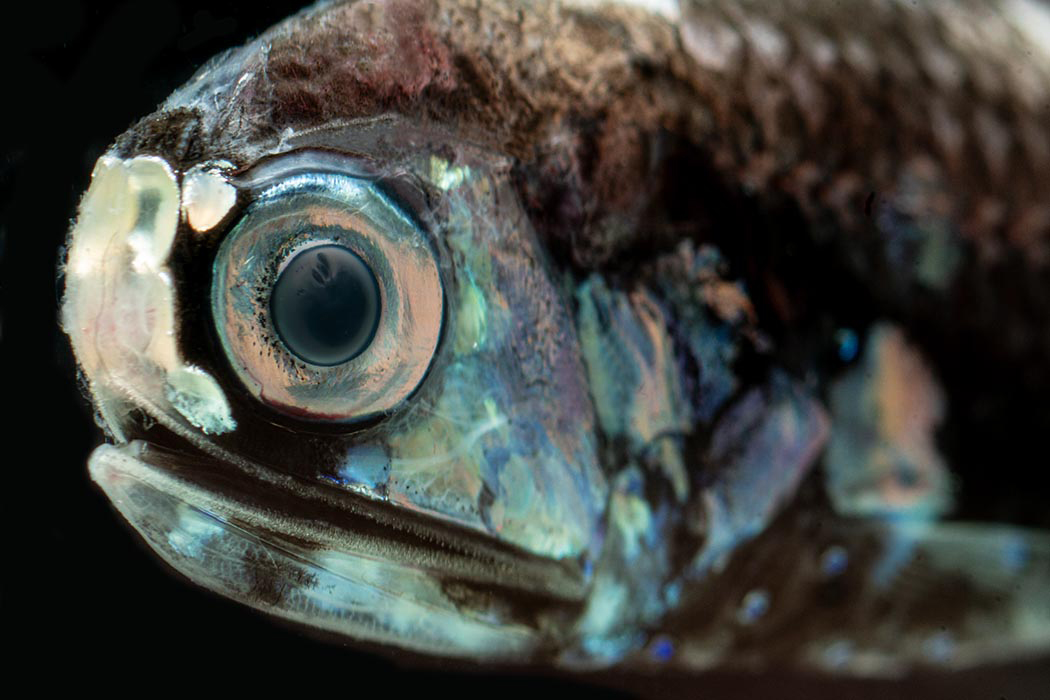
The small animals that feed much of the offshore Gulf have dropped sharply, according to a NOAA Fisheries feature published Oct. 21. The Deep-Pelagic Nekton Dynamics of the Gulf (DEEPEND) Consortium found that pelagic nekton (small free-swimming fish, crustaceans and cephalopods) in the deep Gulf of America have declined 60 to 85 percent since 2010.
Sampling started soon after the Deepwater Horizon spill and ran almost continuously for nine months in 2011, setting a baseline that matched data from the 1980s and 1990s. Crews returned for six efforts from 2015 to 2018 and three more from 2021 to 2023, towing a large multi-net system at depths from the surface to 1,500 meters.
Compared with that baseline, all fish were down 63.5 percent, lanternfish 62.9 percent and bristlemouths 72.8 percent. Krill fell 72.8 percent, all macrocrustaceans 62 percent and cephalopods 59.7 percent. Echosounder data also showed less biomass, with nighttime readings near the surface down 40 percent. Genetic work found reduced diversity in key lanternfish species.
The team ruled out marine heatwaves, low oxygen and food shortages. The declines can't be tied directly to the spill, but because they followed it and no other explanation has been found, the authors call it the most likely cause. These animals are key prey for the Gulf's larger marine life, so the losses could ripple up the offshore food web.
Photo: Close-up of a lanternfish. Credit: DEEPEND/Danté Fenolio, via NOAA Fisheries.
This is a The Gillnet news desk summary, not a reprint.
Source: NOAA Fisheries — Decade of Data Shows Rapid Decline in Pelagic Fish and Invertebrates in Deep Gulf (Oct. 21, 2026).
Comments
Community rulesLoading comments…