
California Fishing·News desk
Bureau of Reclamation nearly tripled Trinity releases for the first big post-dam Klamath fall run
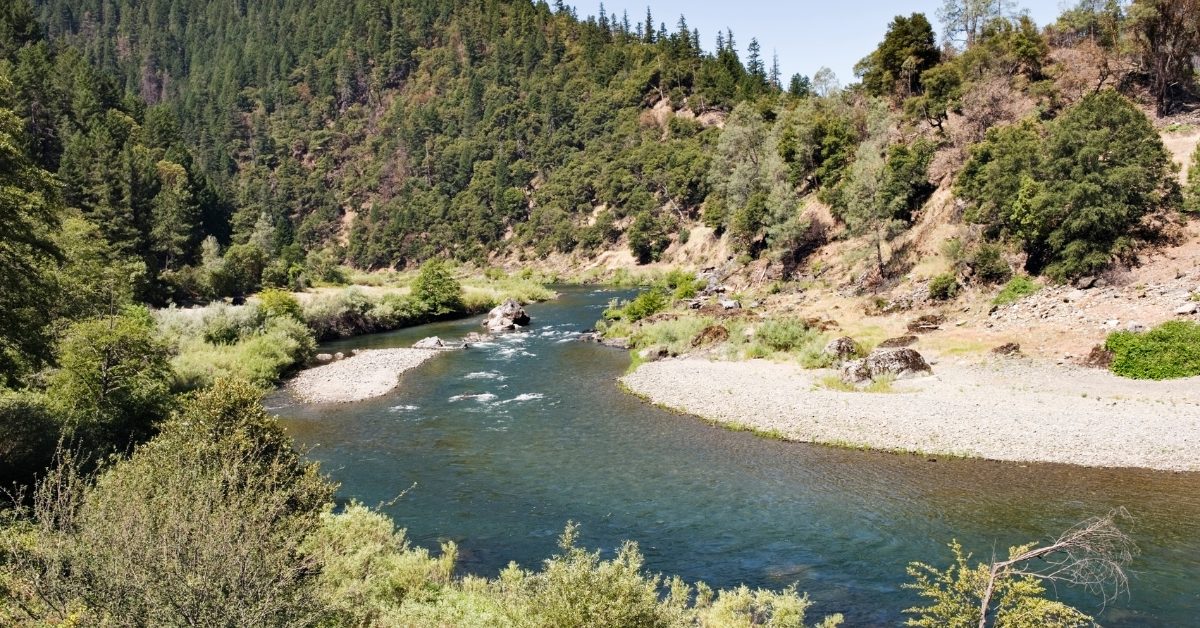
Fall Chinook are stacking in the lower Klamath and Trinity, and the Bureau of Reclamation pushed extra cold water downstream so a crowded run would not turn into a sick one. Releases from Lewiston Dam went from about 450 cubic feet per second to as much as 1,200 cfs. The higher flows began Aug. 28 and were scheduled through Sept. 21. The decision was made with the Yurok Tribe, the Hoopa Valley Tribe, the California Department of Fish and Wildlife, and the U.S. Fish and Wildlife Service.
When the river runs low and warm, returning Chinook pack into the few deep, cold pools they can find, and parasites and bacteria move through the school quickly. The extra water is meant to break up those holding pools, nudge fish toward spawning grounds, and dilute the disease load. The reference point is 2002, when roughly 33,000 adult salmon died in the lower Klamath under those conditions.
This is the first big fall run on the restored river with anglers back. Salmon fishing on the Klamath reopened July 1 for the first time since 2022, and the four lower dams are gone. Trinity Lake is around 109 percent of its historical average, so the bureau treated the release as planned water rather than a cut to farms or towns.
Anyone floating or wading the Trinity should expect faster, colder water than usual and wear a life jacket. The scheduled window was about three weeks of cleaner passage before flows were set to drop back.
Photo: Active NorCal (Trinity River).
This is a The Gillnet news desk summary, not a reprint.
Source: Active NorCal — Extra Water Is Pouring Down the Trinity to Protect the Klamath’s First Big Post-Dam Salmon Run (Sept. 21, 2026).